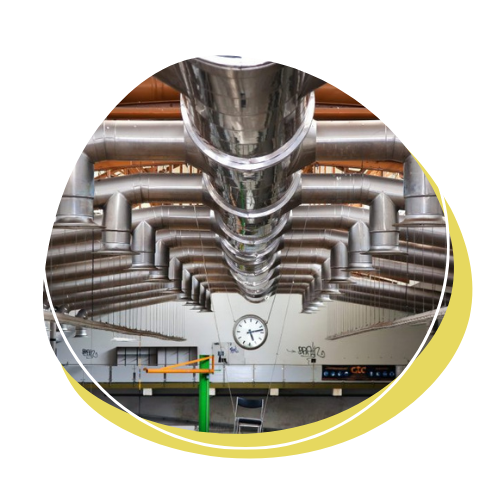
ENVIRONMENTAL MONITORING
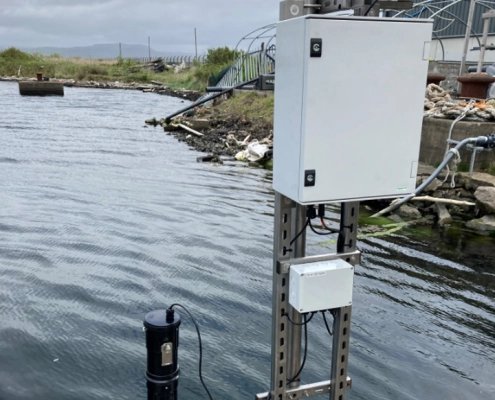
Water Quality
Monitoring
System
Water quality monitoring is the systematic measurement of physical, chemical, biological, and microbiological parameters in water to assess its suitability for use and protect aquatic ecosystems. It helps identify pollution sources, track trends, and guide water resource management.
Physical Parameters: Temperature, turbidity
Chemical Parameters: pH, dissolved oxygen (DO), nutrients, heavy metals
Biological Parameters: Biotic index, biological oxygen demand (BOD)
Microbiological Parameters: Fecal coliforms, E. coli
Sediment Quality: Sediment composition
Toxicity Testing: Bioassays
Automated sensors and data loggers are often used for continuous monitoring of parameters like temperature, DO, and pH. Monitoring is carried out by agencies, researchers, and communities to ensure compliance with regulations, protect health, and conserve ecosystems through early pollution detection and effective management.
Noise Monitoring
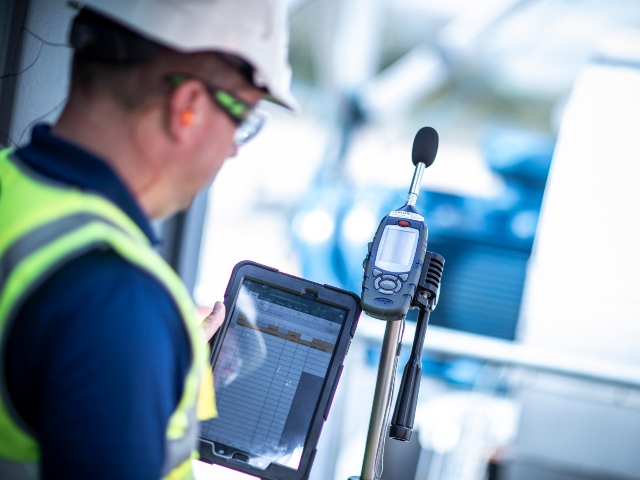
Noise monitoring is the systematic measurement and evaluation of sound levels within a specific environment, aimed at understanding and managing noise pollution. It involves recording the intensity, duration, frequency, and patterns of sound, providing critical data for regulatory compliance, workplace safety, public health protection, and sustainable urban planning.
Effective noise monitoring helps identify sources of excessive noise, assess their impact on human health and well-being, and ensure that noise levels remain within acceptable limits. By doing so, it plays a vital role in preventing hearing loss, reducing stress, and improving overall quality of life in residential and industrial areas
Ambient Air Quality Monitoring System
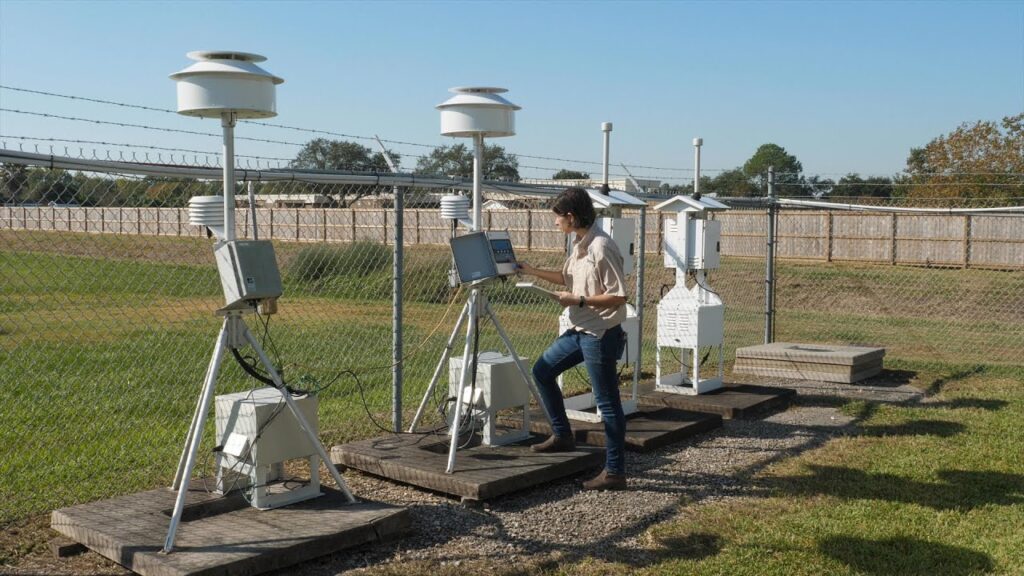
Air quality monitoring is the systematic measurement of pollutants in the air to understand its quality, identify pollution sources, and ensure compliance with standards. It provides vital information for public health, environmental protection, and strategies to improve air quality.
Key aspects include:
Pollutants monitored: PM, O₃, NO₂, SO₂, CO
Monitoring stations: Fixed sites in urban, suburban, and industrial areas; mobile units for specific events or locations
Continuous monitoring: Automated sensors provide real-time data, especially for pollutants like ozone
Data analysis & reporting: Used to assess compliance, identify trends, and issue health advisories
Meteorological data: Weather conditions (temperature, wind, pressure) help explain pollutant dispersion
Air Quality Index (AQI): Simple scale to communicate health impacts of air quality
Regulatory compliance & health protection: Supports enforcement of standards and provides early warnings of high pollution levels.
Stack Emission Monitoring
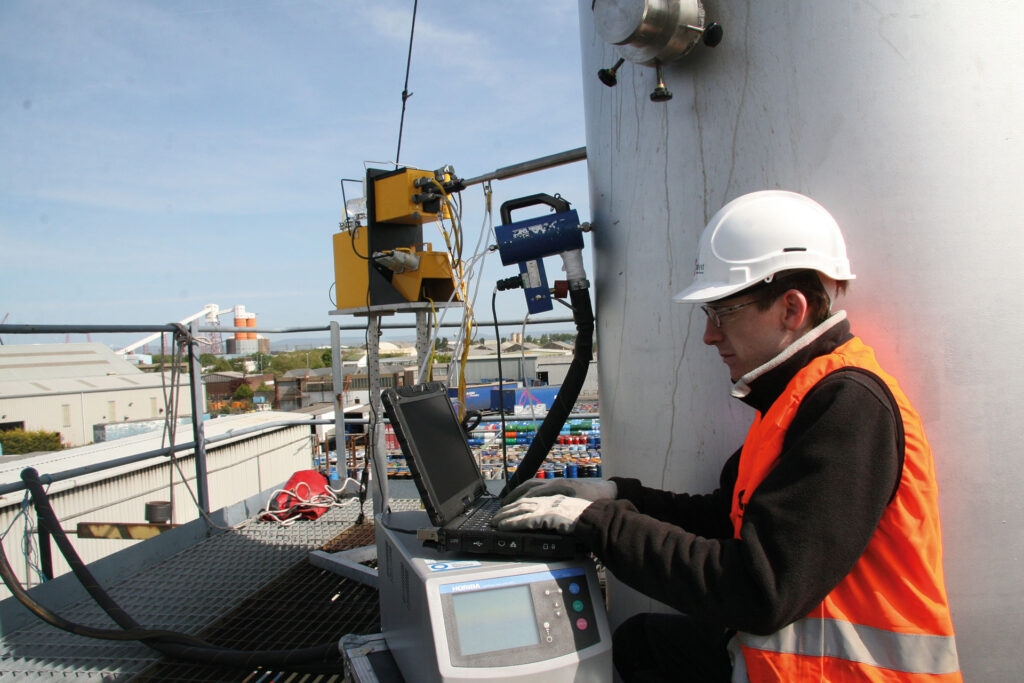
Stack monitoring (or stack emission monitoring) is the process of measuring and analyzing emissions from industrial stacks or chimneys to determine the quantity and composition of pollutants released. It is a key part of environmental regulation and air quality management.
This monitoring ensures industries comply with standards, limit their contribution to air pollution, and protect both human health and the environment. Conducted systematically and transparently, it supports regulatory compliance and promotes environmental responsibility.
Effluent Monitoring
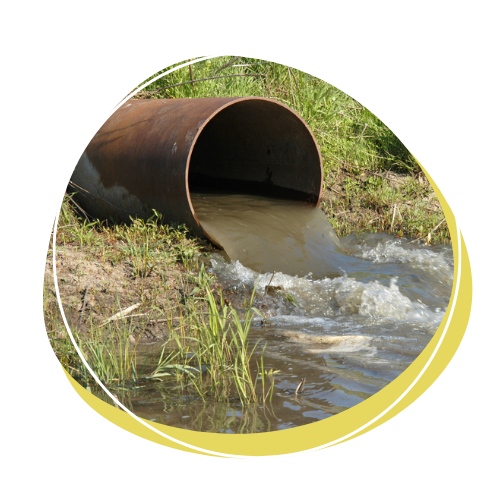
Effluent monitoring refers to the process of regularly measuring and analyzing the quality of wastewater or other liquid discharges from industrial, municipal, or other sources into the environment. The term “effluent” typically refers to the liquid waste or discharge from a manufacturing process, industrial facility, sewage treatment plant, or other sources. Monitoring these effluents is crucial to ensure compliance with environmental regulations, protect water quality, and assess the impact of human activities on ecosystems.
Effluent monitoring involves the collection of samples from the discharge point, followed by laboratory analysis or on-site measurements to determine the concentrations of various pollutants and parameters. Effluent monitoring plays a critical role in sustainable environmental management, helping to balance the needs of human activities with the protection of natural resources and ecosystems.

Marine Ecology
Marine ecology is the scientific study of interactions among organisms and their environments in the world’s oceans and seas. It is a branch of ecology that focuses specifically on marine ecosystems, which encompass a wide range of habitats such as coral reefs, open ocean, deep-sea environments, estuaries, and coastal zones. Marine ecologists investigate the distribution, abundance, and dynamics of marine organisms, as well as the physical and chemical factors that influence marine ecosystems.
Marine ecology plays a crucial role in advancing our understanding of the complex and interconnected nature of marine ecosystems. This knowledge is essential for effective conservation and sustainable management of marine resources in the face of various environmental challenges.
LEV inspection and assessment
LEV stands for Local Exhaust Ventilation, which is a system designed to capture and control airborne contaminants at or near their source of generation. LEV systems are commonly used in workplaces to protect workers from exposure to hazardous substances, such as dust, fumes, vapors, or mists. LEV inspection and assessment involve the examination and evaluation of these ventilation systems to ensure they are effective in controlling and minimizing occupational exposure to harmful airborne contaminants.
LEVs should be regularly inspected and maintained to ensure they continue to provide effective control of airborne contaminants. This process helps ensure a safe and healthy working environment, compliance with occupational health and safety regulations, and the protection of workers from exposure to hazardous substances. Additionally, periodic assessments may be conducted to determine if modifications or improvements are needed to enhance the system’s performance.